
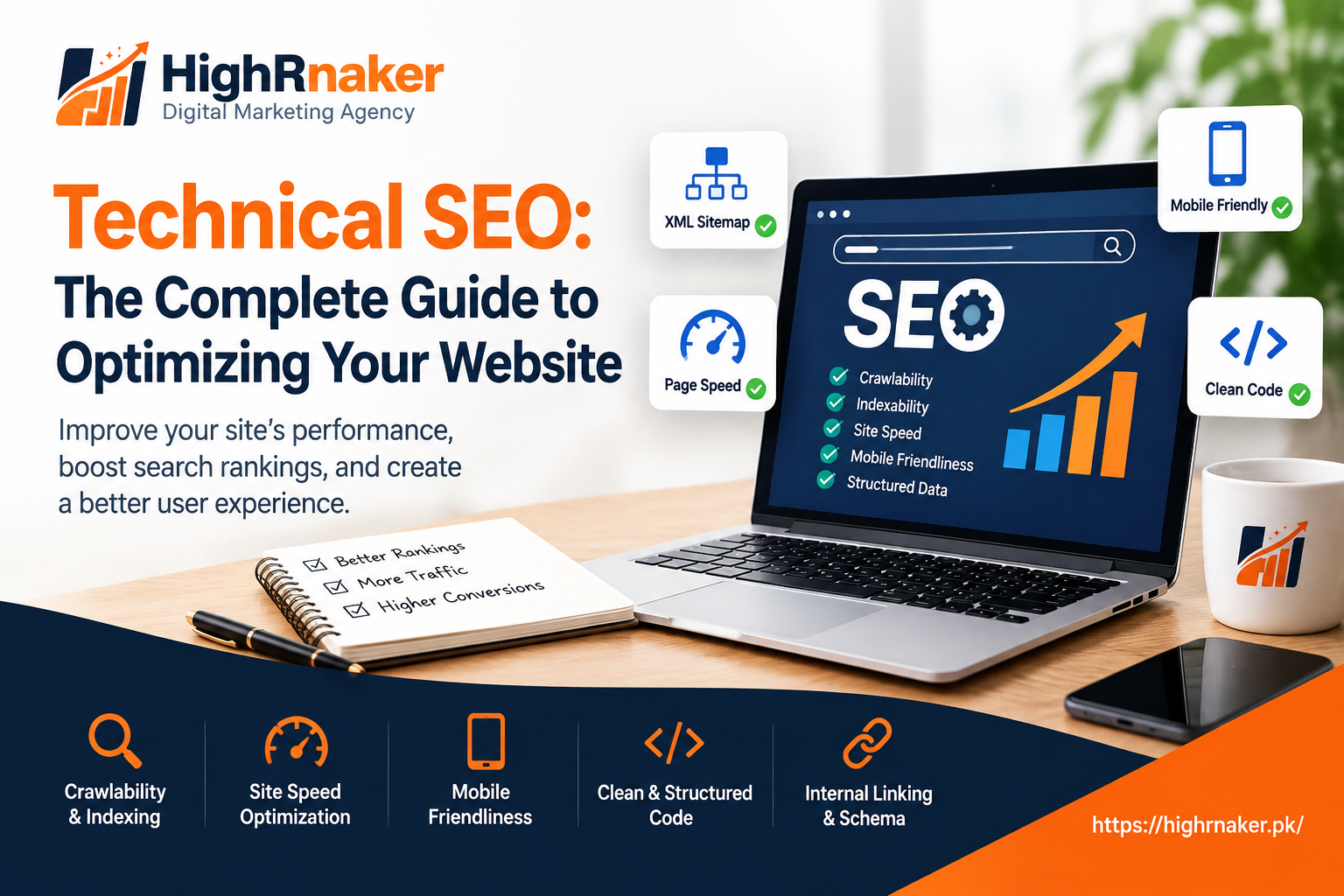
Technical SEO: The Complete Guide to Optimizing Your Website
A website that can have more excellent content and attractive design but still have an struggle to perform well in search if search engines have difficulty accessing, understanding or indexing its pages. That is where an technical SEO becomes more important.
Technical SEO focuses on improving an technical foundation of website so search engines that can crawl and index to its content efficiently while visitors get an smooth experience. It covers the areas such as site structure, page speed, mobile usability, HTTPS, redirects, sitemaps and structured data.
What Is Technical SEO?
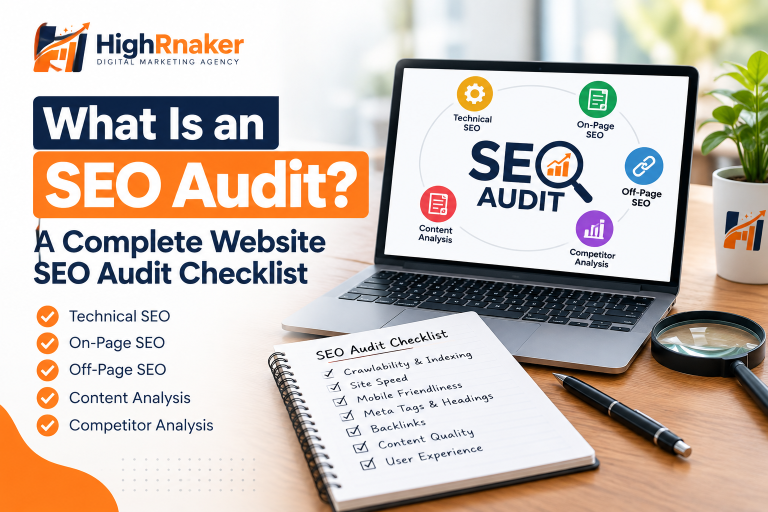
Technical SEO is process of optimizing an technical elements of website that influence how search engines discover, crawl, render and index to its pages. It differs slightly from on-page SEO, which focuses more on individual page elements such as content, headings, titles and internal links. Off-page SEO that generally deals with signals outside your website, such as backlinks.
Make Sure Search Engines Can Crawl Your Website
Crawling is how an search engines discover more pages and follow links around to your website. One important files is to review its robots.txt. Website owners that can use it provide instructions about which areas crawlers should and should not access.
Blocking the wrong section accidentally that can cause problems. For example, if an important products and blog sections that are unintentionally blocked, search engines that may have difficulty an accessing them.
Check Which Pages Are Indexed
Crawling and indexing are related, but they are not an same thing. A search engine that may discover an URL without necessarily including in it its searchable index.
Google Search Console that can help you review to indexing the information and identify reasons certain URLs may not be indexed. Pay particular attention to important service pages, product categories, articles and other pages you expect people to find through search.
Create a Clear Website Structure
A logical site structure benefits both users and have search engines. Important pages should be reasonably easy to reach from your navigation and through relevant internal links. Avoid creating an important pages that are isolated from rest of website.
For example, an online handbags store might have an main handbags category with have useful subcategories for tote bags, shoulder bags, crossbody bags and other styles.
Use an XML Sitemap
An XML sitemap provides an search engines with list of URLs you may want them to know about. It can particularly helpful for larger websites and sites where some important pages that are not easily discovered through links.
Keep your sitemap more clean. It should generally contain an canonical, indexable pages you want an search engines to consider. Avoid filling it redirected URLs, error pages and pages deliberately excluded from indexing.
Improve Website Speed
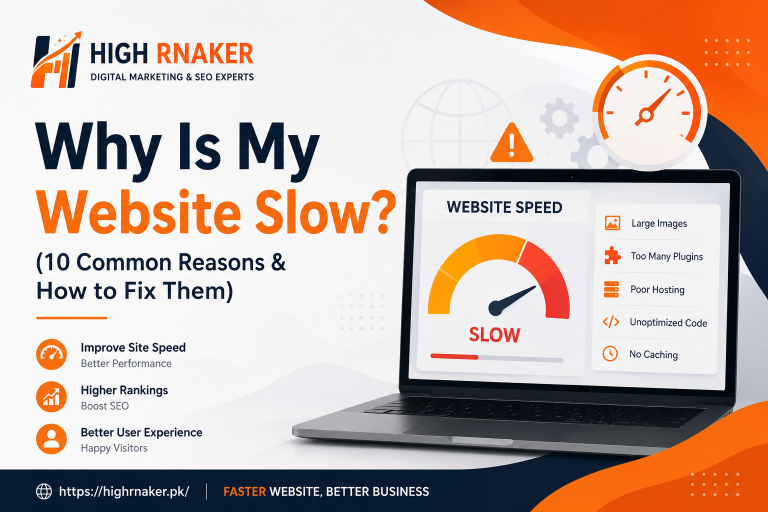
Slow pages that can frustrate visitors. Technical SEO therefore includes to reviewing the factors that affect page performance. Large images are common place to start. Uploading an enormous image and displaying it as small thumbnail can waste resources. Resize and compress the images appropriately and use an suitable modern formats when practical.
Pay Attention to Core Web Vitals
Core Web Vitals that are metrics Google uses to evaluate an important aspects of real-world page experience, including loading performance, responsiveness and visual stability.
For example, an page can be frustrating if visitor tries to tap an button but the layout suddenly moves because another element loads above it. Tools such as Page the Speed Insights and Google Search Console that can help identify potential performance problems.
Make Your Website Mobile-Friendly
Your website should works properly across different screen sizes. Test important pages are mobile devices. Check navigation menus, forms, text size, images, buttons, pop-ups and checkout pages. A desktop pages squeezed onto smaller screen is not an good mobile experience. Visitors should not need zoom constantly and struggle to tap tiny buttons.
Use HTTPS
HTTPS protects information transferred between an visitor’s browser and your website through encryption. Modern websites that should use HTTPS consistently. Once SSL/TLS certificate is configured, check that HTTP versions of your pages redirect properly to their HTTPS equivalents.
Also look an mixed-content problems, where HTTPS page still loads certain resources insecurely. Security is not only SEO consideration. It is basic part of providing an trustworthy website experience.
Use Canonical Tags Correctly
Similar and duplicate URLs can appear for several reasons, particularly on ecommerce websites. Canonical tags that can indicate which URL you consider an preferred version among duplicate and very similar pages.
Add Structured Data Where Appropriate
Structured data that gives search engines machine-readable information about an meaning of certain page content. Different types of structured data can appropriate for products, organizations, articles, breadcrumbs, events and other content. Validate your implementation after making changes.
Audit Your Internal Links
Internal linking is not purely on-page SEO issue. It also plays an more important role in website architecture and crawlability. Look for orphan pages with few and no internal links. Make sure important pages that receive relevant links from other parts of website. Use an descriptive anchor text naturally. A useful link should help the reader that understand where it leads instead of being inserted solely for SEO.
Monitor Technical SEO Regularly
New content is published, plugins are updated, designs change, URLs are removed and technical errors that can appear unexpectedly. Regularly reviews Search Console reports, crawl your website when appropriate, check broken links, monitor important pages and investigate unusual changes to organic search performance.
Final Thoughts
The Complete Guide to Optimizing Your Website ultimately that comes down to building a site that search engines can access and understand while keeping an experience smooth for visitors. Technical SEO alone an cannot replace useful content or an strong website. But when technical foundation is solid, your content has an much better opportunity to be discovered, understood and used by the people you created it for.